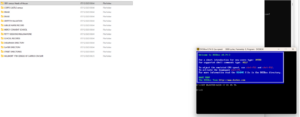
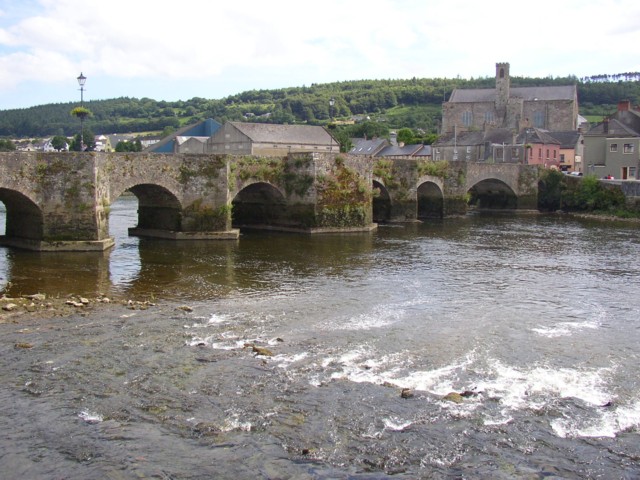
The Coady Collection brings together a series of structured historical databases created to record people, households, and communities in Ireland from the late eighteenth century onwards. Compiled and curated over many years using early computer database systems, these datasets represent a significant body of local historical research that predates modern digital humanities tools, GIS mapping, or online genealogy platforms.
The databases seen so far include distinct but interrelated collections, each focused on a particular population group or source set. These currently include:
-
Carrick-on-Suir Census (1799) — a detailed late-eighteenth-century population survey recording households, individuals, and their locations
-
Unmarried Persons Registers — identifying individuals living outside formal household structures
-
Children and Dependants — linking younger household members to parents or guardians
-
Servants and Lodgers — recording non-family members resident within households
-
Household and Street Indexes — enabling analysis by dwelling, street, or neighbourhood rather than solely by surname
Together, these databases allow the same community to be examined from multiple perspectives: by family, by residence, by occupation, or by social role.
The data itself is unusually rich for its period. Individual records may include a person’s name, marital status, role within a household, occupation, and the street or dwelling where they lived. Households are explicitly grouped, allowing relationships between spouses, children, servants, and lodgers to be preserved rather than flattened into simple name lists. Locations are recorded at street level, making it possible to reconstruct historical neighbourhoods and patterns of settlement.
For example, a single street entry from the 1799 census may link several households, each containing a mix of family members and servants, with occupations recorded alongside names. An unmarried individual might appear both as a named person in their own right and as a resident within another household, reflecting the social realities of the period. This structure makes the collection valuable not only for genealogical research, but also for understanding how communities were organised, how people lived together, and how towns functioned at a human scale.
Database Timeline
1799 — Carrick-on-Suir Census
A late-eighteenth-century population survey recording households, individuals, and their locations within the town. The census captures names, household composition, occupations, and street-level residences, providing a rare snapshot of an Irish urban community immediately before the nineteenth century.
Late 18th–Early 19th Century — Household Structure Registers
Derived datasets identifying children, servants, lodgers, and unmarried individuals, linked back to primary households. These registers allow people to be examined both as individuals and as members of wider domestic and social units, reflecting the complexity of living arrangements at the time.
Ongoing — Street and Dwelling Indexes
Indexes organising people and households by street and dwelling rather than by surname alone. These structures make it possible to reconstruct neighbourhoods, compare patterns of residence, and analyse how different social groups were distributed across the town.
Late 20th Century — Original Digital Compilation
The databases were first digitised and structured using DOS-era database software, preserving the researcher’s original classifications, relationships, and reporting logic. This original digital form is treated as a historical artefact in its own right.
Present Day — Modern Preservation and Exploration
The current project migrates these databases into a modern web-based system while retaining the original structure and interpretive view. Users can explore the data as it was originally organised, or use contemporary tools to search, analyse, and map the records without compromising historical integrity.